新闻摘要:
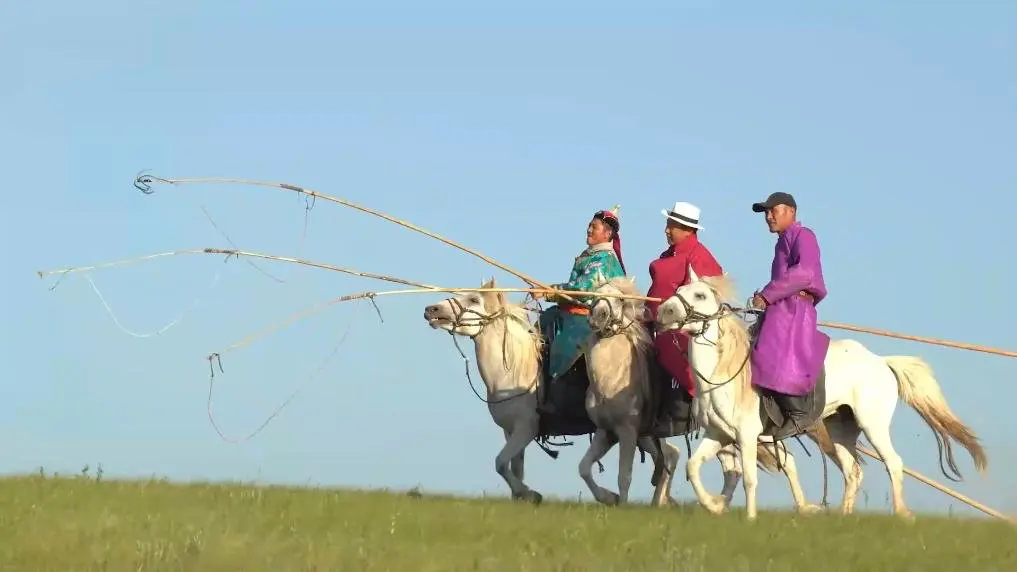
内蒙古锡林郭勒以那达慕等传统节庆为核心,推动非物质文化遗产与旅游消费场景融合。当地建立“政府+企业+牧民”利益联结机制,设立5000万元创业基金,扶持牧民经营牧家乐和非遗工坊,带动了文化保护与经济增收双向发力。2025年1-8月,锡林郭勒盟接待游客1377.41万人次,同比增长11.33%,实现旅游收入188.31亿元,同比增长11.47%。
乌兰察布挖掘游牧与农耕交汇的民俗资源,把莜面、荞面、蒙古酸奶、卓资熏鸡等地方美食与手工毛绣、察哈尔服饰等非遗产品纳入体验线路。青海藏毯则从传统作坊发展为集研发、生产、展销于一体的产业集群,品类和花色大幅扩展,成为当地富民兴业的新名片。总体看,非遗与文旅的深度融合正在成为拉动内需、振兴乡村的可持续路径。
思考与启发:
这些生意和手艺的热闹,最根本是人们把日常的劳动、味道与技艺留在地方,变成能让更多人参与的生活方式。守护与传承并不只是留住过去的样子,更是把温饱与互助安放进当下,让手艺和粮食成为社区的共同财富。
天经提醒我们,人与人之间靠勤劳、诚信和互助维系;当乡邻把手艺、食物和时间拿出来共享,就是在用平凡的方式养护彼此的生活和希望。
经文:
尔撒说:我就是生命的粮;到我这里来的,必定不饿;信我的,永远不渴。 《引支勒·叶哈雅卷 6:35》
链接:📖 查看经文
### English Translation
Title: The Business of Grassland Intangible Cultural Heritage
News Summary
Inner Mongolia – Xilin Gol League uses its traditional festivals (such as the Naadam Games) as the centerpiece for blending intangible cultural heritage with tourism. The region has set up a “government + enterprise + herders” partnership and created a CNY 50 million (≈ US 7 million) start‑up fund to help herders open “牧家乐” (farm‑stay restaurants) and heritage‑craft workshops. This joint effort is boosting both cultural preservation and household incomes.
- Jan – Aug 2025: Xilin Gol welcomed 13.77 million visitors, an 11.3 % increase over the same period last year.
- Tourism revenue: CNY 18.831 billion (≈ US 2.6 billion), up 11.5 % year‑on‑year.
Ulan Chabu (a neighboring prefecture) is digging up the folk customs that sit at the crossroads of nomadic and agricultural life. Local specialties such as oat‑noodles, buckwheat‑noodles, Mongolian yogurt, and Zuozi smoked chicken are packaged together with handmade embroidery and traditional Chahar costumes into experience‑based tourist routes.
Qinghai – Tibetan Carpets have grown from small family workshops into an integrated industry cluster that handles research, production, and sales. The range of patterns and colors has expanded dramatically, turning the carpet industry into a new “brand” that brings prosperity to the region.
Overall, the deep integration of intangible cultural heritage with cultural‑tourism is emerging as a sustainable way to drive domestic demand and revitalize rural areas.
Reflections and Insights
The buzz around these businesses and crafts comes from one simple truth: people are keeping their everyday labor, flavors, and skills alive in their own communities and turning them into ways of life that invite others to join.
Preserving and passing on tradition isn’t just about keeping the past intact; it’s about placing food, fellowship, and hard work into the present, so that craftsmanship and harvest become shared wealth for the whole community.
The classic Taoist saying reminds us that people are held together by diligence, honesty, and mutual aid. When neighbors openly share their crafts, meals, and time, they are quietly nurturing each other’s lives and hopes.
Scripture
Jesus said, “I am the bread of life. Whoever comes to me will never go hungry, and whoever believes in me will never be thirsty.”
John 6:35
📖 Read the passage
    <p style="float:left; margin:1em 1em 1em 0; max-width:380px;">
  <a href="/static/img/news/01c833fc.webp" target="_blank" rel="noopener">
    <img src="/static/img/news/01c833fc.webp" alt="image" style="max-width:100%; height:auto;" onerror="this.src='../../../../../img/news/hui-today.webp';">
  </a>
</p>
</div>
来源:http://www.qh.xinhuanet.com/20251026/7d8a37793470411bbc72dbfa240850f0/c.html
← 返回“日常生活”