新闻摘要:
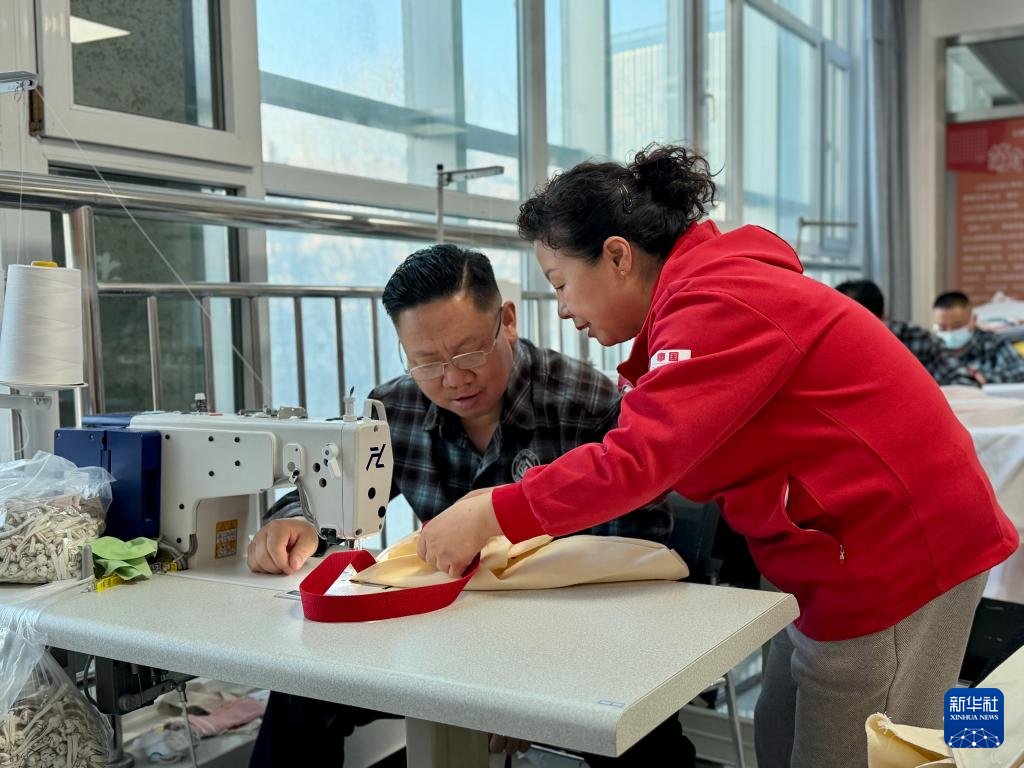
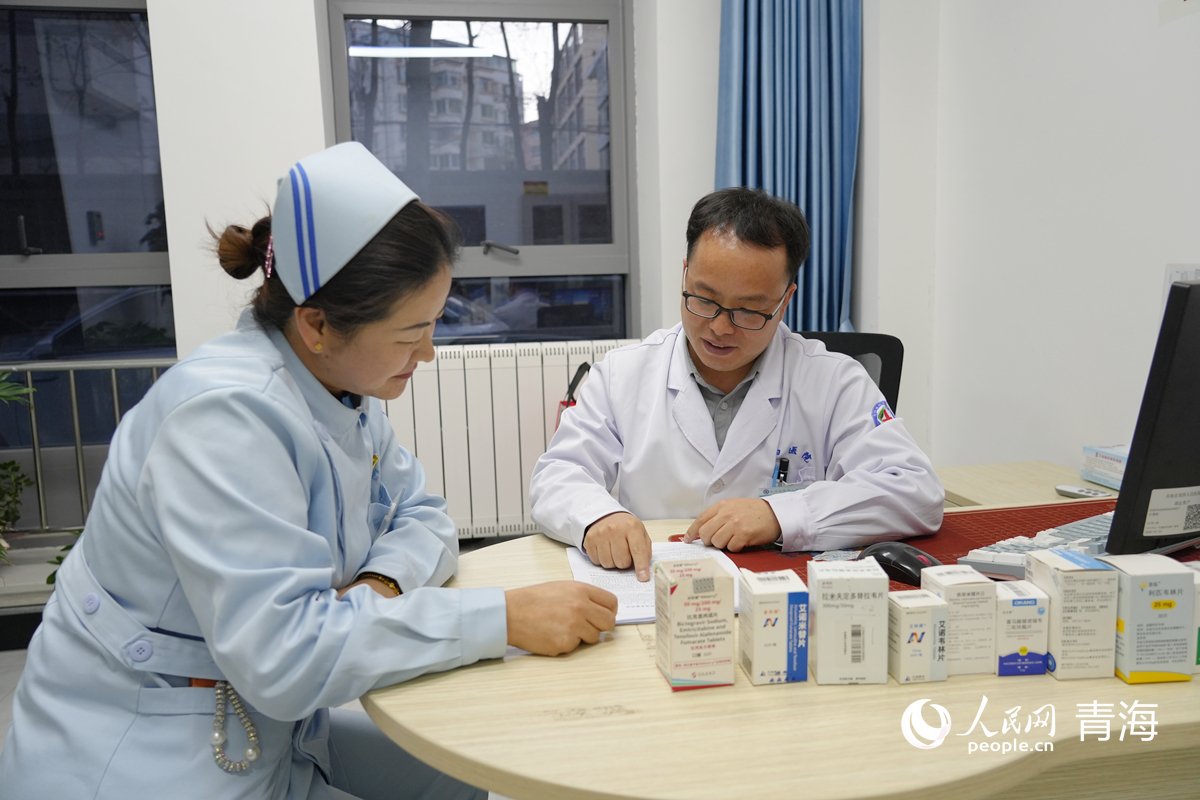
宁夏吴忠利通区把脱贫摘帽视为新的起点,通过五级书记协同、常态化监测和驻村干部的精准帮扶,构建起防止规模性返贫的责任体系与工作机制。29支驻村工作队严格落实走访、排查和一户一策,累计走访1.1万户、政策宣传覆盖1.4万户,推动办实事95件,帮助引导700人次务工就业,投入和引进帮扶资金194万元,切实将政策落到最后一公里。
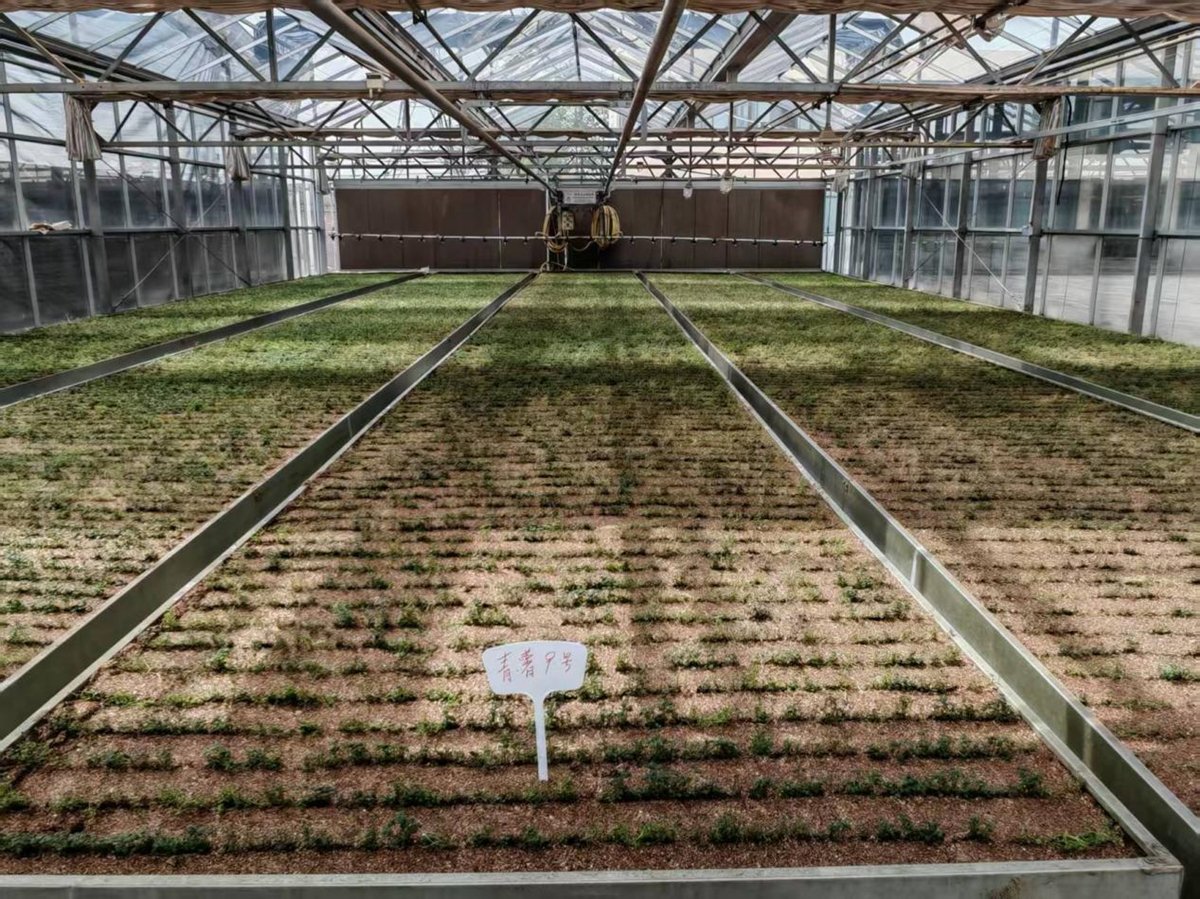
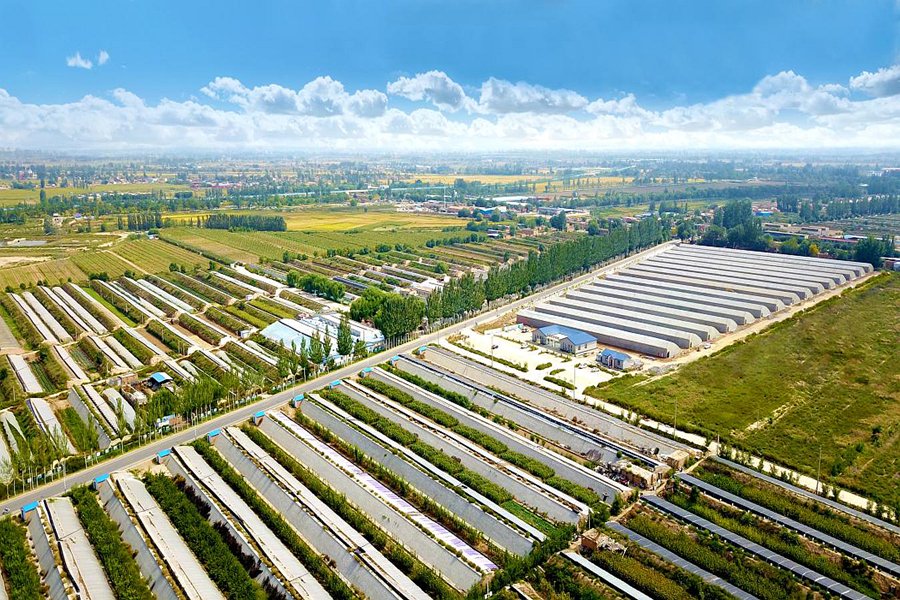
在产业和民生两端并举下,利通区推动苹果、设施蔬菜、奶业与牛羊养殖等多元产业发展,烽火墩“富硒苹果”、温棚经营和“村集体+企业+农户”模式带动农户增收;同时升级便民服务中心、推行老饭桌、改善人居环境、落实教育和医疗资助,学前与义务教育阶段资助近万名困难学生,住房危房加固重建实现动态清零,乡村面貌与生活质量持续提升。
思考与启发:
利通区的实践提醒我们:制度保障与日常走访同等重要,长期守望与产业激活是防返贫的双重底线。基层干部的耐心走访、邻里间的互助与务实的政策衔接,把抽象的扶贫目标变成了可以看见、摸得着的生活改善。
这也呼应天经里的一条根本真理:关心身边有需要的人,不仅是对人的负责,也是维持社会和睦的日常功课。愿各方继续以诚信与勤劳为基,守住来之不易的成果,让生活的温度常在。
经文:
“我实在告诉你们:这最小的一个弟兄身上所做的,你们既作在我身上了。” 《引支勒·马太卷 25:40》
链接:📖 查看经文
### English Translation
Title: Building a Stronger Frontline to Keep Families Out of Poverty
News Summary
In L Tōng District of Wúzhōng, Ningxia, officials treat the removal of a household from the poverty‑alleviation list not as an end, but as a new beginning. By linking five levels of party secretaries, keeping continuous monitoring, and providing precise assistance from village cadres, they have created a responsible system and working mechanism that guards against a large‑scale slide back into poverty.
- Village‑level teams: 29 “驻村” (resident‑village) work groups strictly carried out home visits, household checks, and “one‑family‑one‑plan” strategies.
- Reach: They have visited 11,000 households, spread policy information to 14,000 families, and dealt with 95 concrete projects that solve real problems.
- Employment help: About 700 people were guided to find work.
- Funding: A total of ¥1.94 million (≈ $280,000) of assistance funds was injected or attracted.
All of this pushes the policies all the way to the “last mile,” ensuring that help is felt where people actually live.
Livelihood and Public‑Service Boosts
L Tōng is developing a balanced strategy that expands both industry and basic services:
- Agricultural diversification: Apple orchards, greenhouse vegetables, dairy farms, and cattle/sheep raising are all growing. The “富硒苹果” (selenium‑rich apples) from Fenghuodun, modern greenhouse operations, and a “village collective + enterprise + farmers” model are raising farmers’ incomes.
- Convenient services: Upgraded service centers, “old‑dining‑table” community meals, better housing conditions, and sustained education and health subsidies.
- Education: Nearly 10,000 children at preschool and compulsory‑school levels from low‑income families receive financial aid.
- Housing: Hazardous houses have been repaired or rebuilt, achieving a dynamic “zero‑remaining‑danger” status.
Together these steps improve the look of the countryside and raise people’s quality of life.
Reflection & Take‑aways
L Tōng’s experience reminds us that rules and regular visits are equally essential. Long‑term watchfulness plus revitalized local industry form the two safety nets that keep families from falling back into poverty.
- Patient, on‑the‑ground visits by grassroots cadres,
- Neighbourly mutual aid, and
- Practical, well‑linked policies
turn abstract anti‑poverty goals into visible, tangible improvements in daily life.
This echoes a timeless biblical truth: caring for those in need around us is not only a responsibility to the person but also a daily practice that sustains social harmony. May we all continue, with honesty and hard work as our foundation, to guard the hard‑won blessings we have received, so that the warmth of a caring community never fades.
Scripture
“Truly I tell you, whatever you did for one of the least of these brothers and sisters of mine, you did for me.”
— Matthew 25:40 (NIV)
[📖 Read the passage] (https://www.huizu-tianjing.icu/yinzhile/mataijuan/25)
来源:http://www.nx.xinhuanet.com/20251130/8866f05eb11c4c62b7c9e451b7546ad2/c.html